Category: Writing

  • Creation of an Excel

    I have a thesis assignment that required conducting a job market analysis using LinkedIn data.

    However, when my professor reviewed the initial Excel file, he realized that the data collection methodology was not applied correctly and requested a full correction.

    In essence, what needs to be done now is to rebuild the Excel file from scratch, following very specific methodological instructions provided by the professor, so that the results are produced correctly and are fully aligned with his requirements.

    The Excel file must be structured according to the instructions below, ensuring that:

    • the data collection is methodologically sound,
    • all reported numbers are accurate and traceable,
    • and the final results strictly follow the professors guidelines.

    The goal is not to change the topic or the theoretical part of the thesis, but to correct and properly implement the LinkedIn data collection and quantitative analysis through a correctly designed Excel dataset.

    The professor told me that the excel must be

    Professors Feedback Clarification Summary (in English)

    I understand that there is currently some confusion regarding the Excel files and the data collection methodology, and I agree that an immediate meeting would be very useful in order to clarify everything and ensure methodological consistency.

    Regarding the updated Excel file, the values for Greece in the sheet FILTER_COUNTS_RAW now appear correctly and differ significantly from those shown in the previous version. However, some values seem to be missing.

    Two key questions have been raised:

    A) Where are the corresponding values for the United States and the European Union?
    For example, in which specific cell can the value 2,484, mentioned in the report text for remote job positions in the EU, be found?

    B) A very important methodological issue concerns the search queries used:
    For the United States, the query used was Software Engineer, and for the EU Data Analyst. These queries are not related to marketing and mainly return job listings in software engineering or data analysis, rather than marketing-related positions.

    The correct queries that should be used (exactly as specified) are the following:

    • Greece:
      "digital marketing" OR " "
      (in both English and Greek, exactly as written, without adding terms such as specialist, since this formulation already captures all relevant positions)
    • United States:
      "digital marketing"
      (exact phrase, with quotation marks)
    • European Union:
      `”digital marketing” OR ” ” OR “<term in French>” OR “<term in Italian>” OR “<term in German>” OR “<term in Spanish>” OR “<term in Portuguese>” OR “<term in Romanian>” OR
      (and correspondingly for the other official languages spoken within the EU, resulting in a long combined query)

    By using one unified query per geographical region, the resulting counts are methodologically sound, and duplicate job listings are not counted multiple times.

    Requirements: as long as it needs

  • TOUCHSTONE

    Touchstone 3: Comparative Visual Communication Analysis: Building Brand Identity through Design

    ASSIGNMENT: Analyze the visual communication aspects of two of the following companies; Coca-Cola, Pepsi, Snapple or Monster Energy, and compare them. Focus on the elements and principles of design, messaging, and advertising.

    SCENARIO: Youve recently joined a marketing firm as a user experience/user interface (UX/UI) researcher. Your firm has been hired by Bad Apples Cider Company to build the brands design. Bad Apples Cider Company is a new brand behind a line of carbonated beverages, bottled teas, and energy drinks. Before designers can work on logos, packaging, and other core components of the visual brand, the UX/UI team needs you to conduct research on Bad Apples Cider Companys market competitors.

    Your team has identified the four main market competitors as Coca-Cola, Pepsi, Snapple, and Monster Energy. Your role in the project is to select two of the four listed brands and conduct research on how the brands designs communicate with the consumer. Your supervisor has tasked you to select two of the competitive brands listed and prepare a written report analyzing how the brands communicate with their consumers.

    You will discuss how both brands employ visual communication theories and principles to communicate messages, moods, and themes to their demographic markets. Your responses must be thorough, as your research will be influential in building a brand identity for Bad Apples Cider Company that will reach the right demographics, enabling the company to compete with Coca-Cola, Pepsi, Snapple, and Monster Energy on a national scale.

    To complete this assignment, you will use the template provided below. You will return the completed template as your Touchstone submission. A sample assignment is also provided.

    Helpful Links:


    A. Directions

    Step 1: Choose the Companies

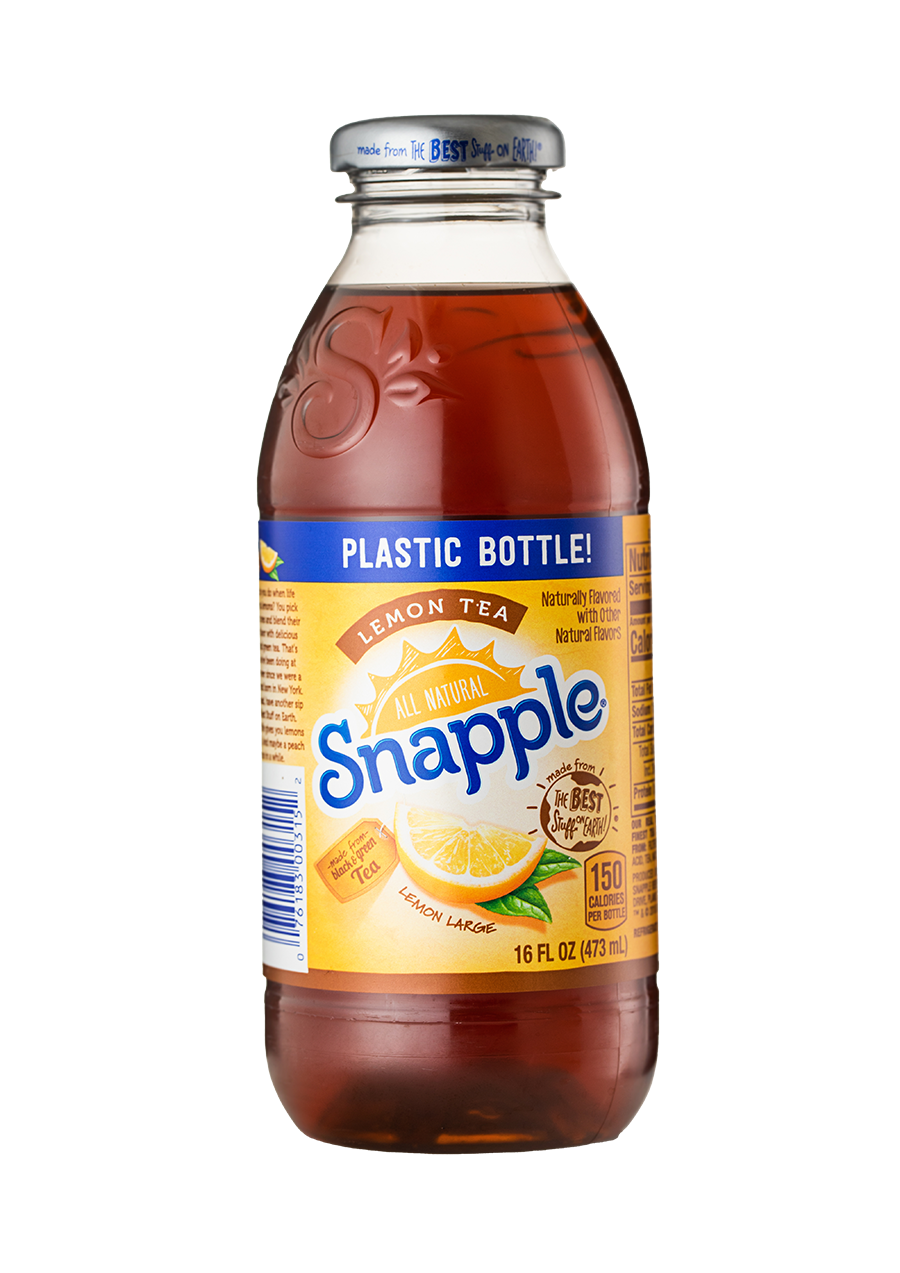
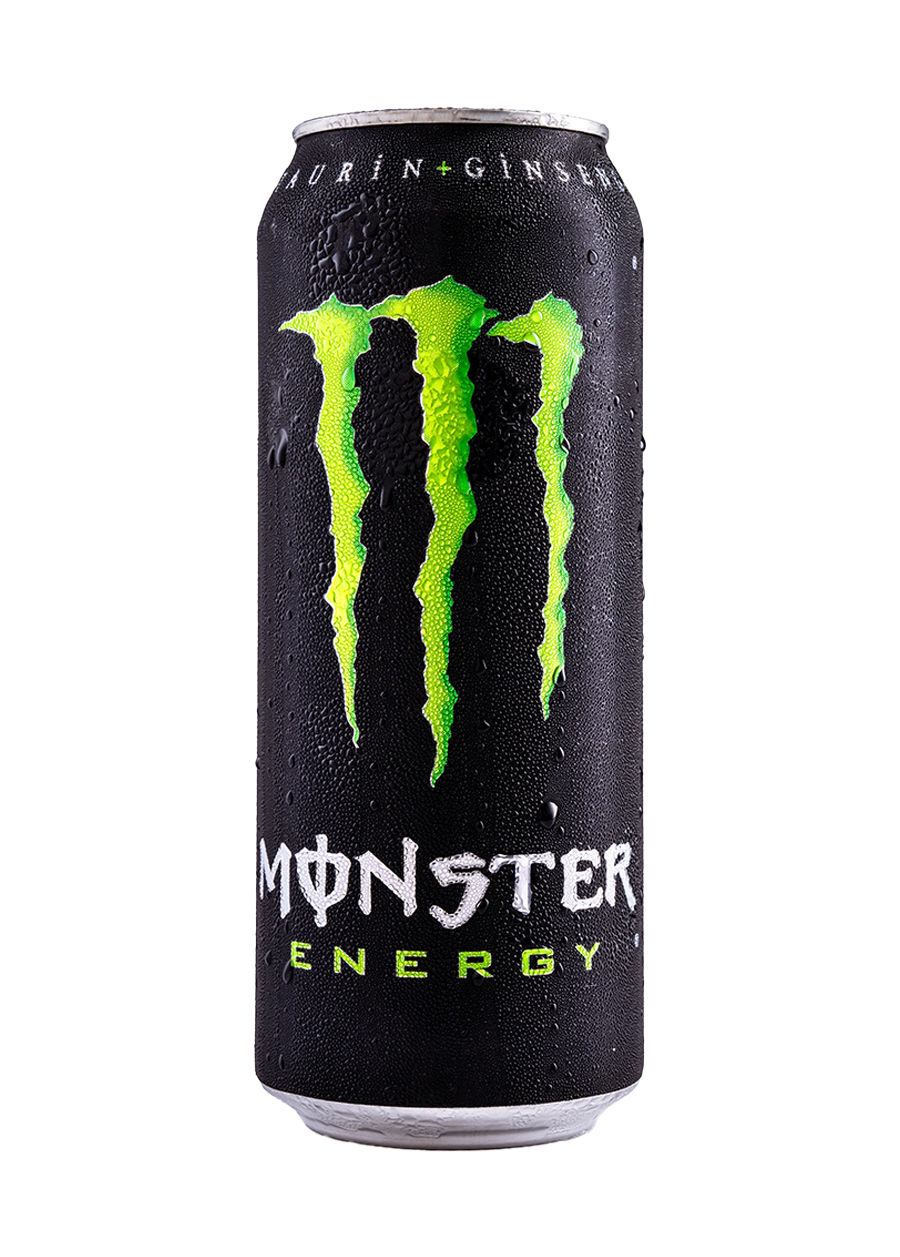
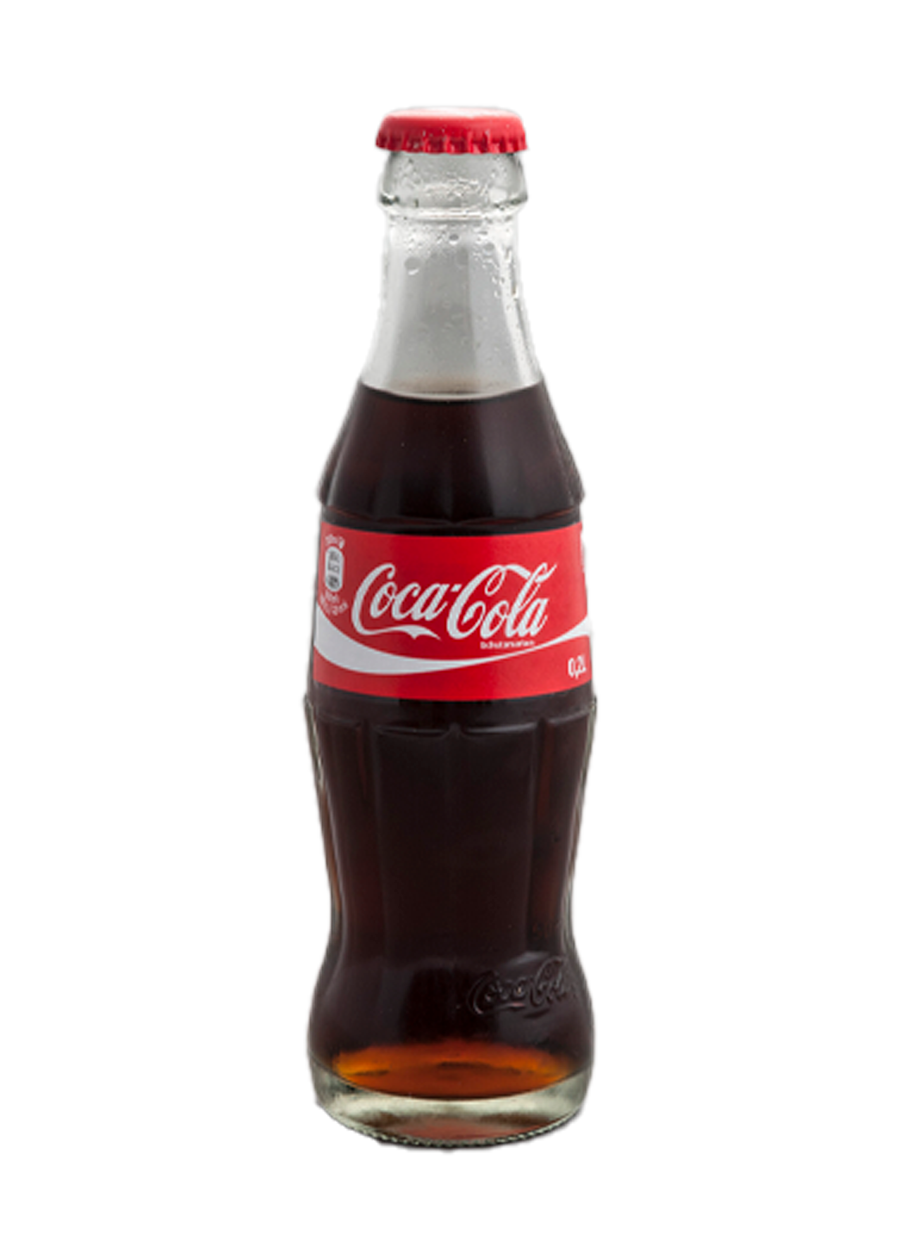
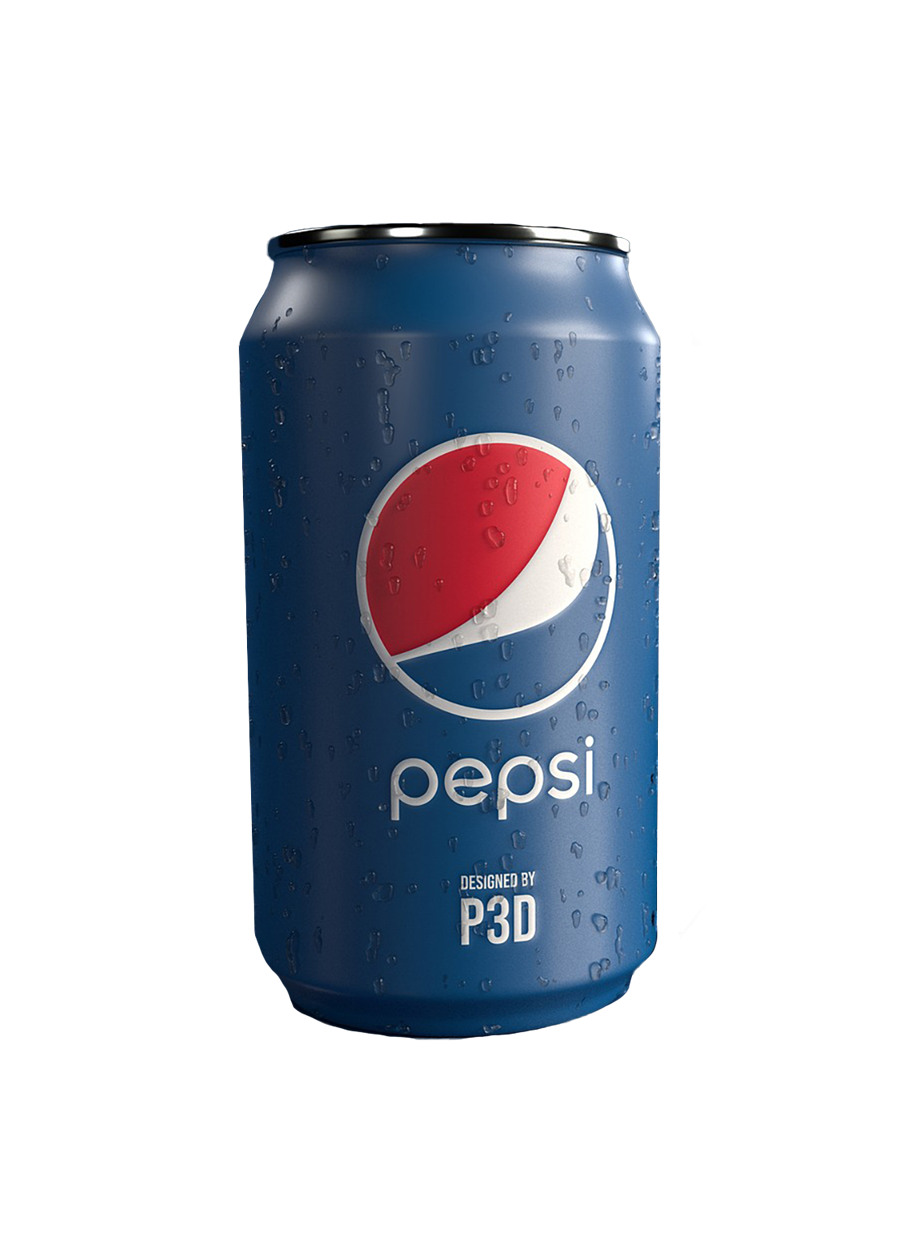
    Coca-Cola, Pepsi, Snapple, and Monster Energy have many incarnations of their logos product designs. View the version of the logos pictured on the product labels below. Choose two out of the four companies that you will use to format your responses throughout this Touchstone.

    Coca-Cola Pepsi
    A Coca-Cola bottle. The iconic red label prominently displays the classic white Coca-Cola script logo across the middle. Additional branding elements, such as nutritional information or serving size, appear on the left side of the label, while the bottom right corner shows the volume or size of the bottle. The familiar red and white design stands out against the dark color of the beverage inside the bottle.
    The Coca-Cola logo is one of the most recognizable logos in the world. It features the brand name written in a unique cursive script known as the Spencerian script, which was popular in the late 19th century.
    A blue Pepsi can. The can features the modern Pepsi logo, with a red, white, and blue globe-like symbol at the top, followed by the word 'pepsi' in lowercase letters beneath it.
    The Pepsi logo is a globally recognized symbol that has evolved significantly over the years. The current incarnation is sometimes referred to as the Pepsi Globe.
    Snapple Monster Energy
    A Snapple bottle label featuring the 'Lemon Tea' flavor. The label prominently displays the Snapple brand name in bold blue letters, with a sun icon and 'All Natural' text above it. An image of a lemon slice and green leaves is depicted at the bottom center of the label, highlighting the lemon flavor. Additional details such as '150 calories per bottle' and other product information are displayed around the sides. The label has a yellow and orange color scheme, reflecting the lemon tea theme.
    Snapples logo changes reflect its growth and adaptation over the years while maintaining a consistent emphasis on natural ingredients and quality.
    A Monster Energy drink can featuring the iconic, claw-like green 'M' logo in the center, which is stylized to look like it has been scratched into the black background. Below the logo, the words 'MONSTER' appears in bold, white, block letters, followed by 'ENERGY' in smaller green text beneath it.
    The Monster Energy logo is one of the most recognizable in the energy drink market.

    Step 2: Download the Template

    Download and review the . The template is a Microsoft Word file and contains the prompts you will respond to for the two companies you choose. You will type your answers directly into the template and submit it as a Word file. Any other submission file or format will be returned ungraded.

    It may help you to review the following information from the course before you complete the prompts in the submission template:

    • Challenge 1.2 The Elements of Design
    • Challenge 1.3 Principles of Visual Design
    • Challenge 2.1 Color
    • Challenge 2.2 Typography
    • Challenge 2.3 Layout
    • Challenge 3.1 Creative Process
    • Challenge 3.3 The Influence of Visual Design

    Step 3: Respond to Each Prompt

    Write a 200-word minimum response to each prompt (1-6) in the submission template. Begin each response by clearly stating which topics are being analyzed.

    Responses must contain substantive information addressing the topics outlined in each task.

    • Prompt 1: Basics of Visual Design Concepts
    • Prompt 2: Elements of Design
    • Prompt 3: Principles and Elements of Visual Design
    • Prompt 4: Typography, Design, and Layout
    • Prompt 5: Role of Visual Design in Communication
    • Prompt 6: Influence of Visual Design

    Refer to the checklist below throughout the Touchstone process. Do not submit your Touchstone until it meets these requirements.

    1. Address the listed topics in your written responses

    • Semiotics, Visual Communication Psychology, Cognitive Theory, and other applicable Visual Communication Theories
    • Color schemes, shape, space, size, line, and texture
    • Balance, contrast, emphasis, movement, pattern, rhythm, and unity
    • Type choices, alignment, layout styles, visual hierarchy
    • Ideation and Visual Thinking, Storytelling, and Inspiration
    • Visual Design in Advertising, Public Relations, Infographics, and Publishing

    2. Format your responses

    • Double-space your submission and use one-inch margins
    • Your submission must include your name, the name of the course, the date and title of your compositions
    • Include all the assignment components in a single file
    • Acceptable formats include .doc and docx.

    3. Academic Honesty

    • All writing must be appropriate for an academic context
    • Your submission must be original and written for this assignment
    • Plagiarism of any kind is prohibited

    Step 4: Submit Your Touchstone

    Submit your completed Touchstone using the blue button at the top of this page.

    Requirements: READ CAREFULLY

  • TOUCHSTONE

    Touchstone 3: Comparative Visual Communication Analysis: Building Brand Identity through Design

    ASSIGNMENT: Analyze the visual communication aspects of two of the following companies; Coca-Cola, Pepsi, Snapple or Monster Energy, and compare them. Focus on the elements and principles of design, messaging, and advertising.

    SCENARIO: Youve recently joined a marketing firm as a user experience/user interface (UX/UI) researcher. Your firm has been hired by Bad Apples Cider Company to build the brands design. Bad Apples Cider Company is a new brand behind a line of carbonated beverages, bottled teas, and energy drinks. Before designers can work on logos, packaging, and other core components of the visual brand, the UX/UI team needs you to conduct research on Bad Apples Cider Companys market competitors.

    Your team has identified the four main market competitors as Coca-Cola, Pepsi, Snapple, and Monster Energy. Your role in the project is to select two of the four listed brands and conduct research on how the brands designs communicate with the consumer. Your supervisor has tasked you to select two of the competitive brands listed and prepare a written report analyzing how the brands communicate with their consumers.

    You will discuss how both brands employ visual communication theories and principles to communicate messages, moods, and themes to their demographic markets. Your responses must be thorough, as your research will be influential in building a brand identity for Bad Apples Cider Company that will reach the right demographics, enabling the company to compete with Coca-Cola, Pepsi, Snapple, and Monster Energy on a national scale.

    To complete this assignment, you will use the template provided below. You will return the completed template as your Touchstone submission. A sample assignment is also provided.

    Helpful Links:


    A. Directions

    Step 1: Choose the Companies

    Coca-Cola, Pepsi, Snapple, and Monster Energy have many incarnations of their logos product designs. View the version of the logos pictured on the product labels below. Choose two out of the four companies that you will use to format your responses throughout this Touchstone.

    Coca-Cola Pepsi
    A Coca-Cola bottle. The iconic red label prominently displays the classic white Coca-Cola script logo across the middle. Additional branding elements, such as nutritional information or serving size, appear on the left side of the label, while the bottom right corner shows the volume or size of the bottle. The familiar red and white design stands out against the dark color of the beverage inside the bottle.
    The Coca-Cola logo is one of the most recognizable logos in the world. It features the brand name written in a unique cursive script known as the Spencerian script, which was popular in the late 19th century.
    A blue Pepsi can. The can features the modern Pepsi logo, with a red, white, and blue globe-like symbol at the top, followed by the word 'pepsi' in lowercase letters beneath it.
    The Pepsi logo is a globally recognized symbol that has evolved significantly over the years. The current incarnation is sometimes referred to as the Pepsi Globe.
    Snapple Monster Energy
    A Snapple bottle label featuring the 'Lemon Tea' flavor. The label prominently displays the Snapple brand name in bold blue letters, with a sun icon and 'All Natural' text above it. An image of a lemon slice and green leaves is depicted at the bottom center of the label, highlighting the lemon flavor. Additional details such as '150 calories per bottle' and other product information are displayed around the sides. The label has a yellow and orange color scheme, reflecting the lemon tea theme.
    Snapples logo changes reflect its growth and adaptation over the years while maintaining a consistent emphasis on natural ingredients and quality.
    A Monster Energy drink can featuring the iconic, claw-like green 'M' logo in the center, which is stylized to look like it has been scratched into the black background. Below the logo, the words 'MONSTER' appears in bold, white, block letters, followed by 'ENERGY' in smaller green text beneath it.
    The Monster Energy logo is one of the most recognizable in the energy drink market.

    Step 2: Download the Template

    Download and review the . The template is a Microsoft Word file and contains the prompts you will respond to for the two companies you choose. You will type your answers directly into the template and submit it as a Word file. Any other submission file or format will be returned ungraded.

    It may help you to review the following information from the course before you complete the prompts in the submission template:

    • Challenge 1.2 The Elements of Design
    • Challenge 1.3 Principles of Visual Design
    • Challenge 2.1 Color
    • Challenge 2.2 Typography
    • Challenge 2.3 Layout
    • Challenge 3.1 Creative Process
    • Challenge 3.3 The Influence of Visual Design

    Step 3: Respond to Each Prompt

    Write a 200-word minimum response to each prompt (1-6) in the submission template. Begin each response by clearly stating which topics are being analyzed.

    Responses must contain substantive information addressing the topics outlined in each task.

    • Prompt 1: Basics of Visual Design Concepts
    • Prompt 2: Elements of Design
    • Prompt 3: Principles and Elements of Visual Design
    • Prompt 4: Typography, Design, and Layout
    • Prompt 5: Role of Visual Design in Communication
    • Prompt 6: Influence of Visual Design

    Refer to the checklist below throughout the Touchstone process. Do not submit your Touchstone until it meets these requirements.

    1. Address the listed topics in your written responses

    • Semiotics, Visual Communication Psychology, Cognitive Theory, and other applicable Visual Communication Theories
    • Color schemes, shape, space, size, line, and texture
    • Balance, contrast, emphasis, movement, pattern, rhythm, and unity
    • Type choices, alignment, layout styles, visual hierarchy
    • Ideation and Visual Thinking, Storytelling, and Inspiration
    • Visual Design in Advertising, Public Relations, Infographics, and Publishing

    2. Format your responses

    • Double-space your submission and use one-inch margins
    • Your submission must include your name, the name of the course, the date and title of your compositions
    • Include all the assignment components in a single file
    • Acceptable formats include .doc and docx.

    3. Academic Honesty

    • All writing must be appropriate for an academic context
    • Your submission must be original and written for this assignment
    • Plagiarism of any kind is prohibited

    Step 4: Submit Your Touchstone

    Submit your completed Touchstone using the blue button at the top of this page.

    Requirements: READ CAREFULLY

  • TOUCHSTONE

    Touchstone 3: Comparative Visual Communication Analysis: Building Brand Identity through Design

    ASSIGNMENT: Analyze the visual communication aspects of two of the following companies; Coca-Cola, Pepsi, Snapple or Monster Energy, and compare them. Focus on the elements and principles of design, messaging, and advertising.

    SCENARIO: Youve recently joined a marketing firm as a user experience/user interface (UX/UI) researcher. Your firm has been hired by Bad Apples Cider Company to build the brands design. Bad Apples Cider Company is a new brand behind a line of carbonated beverages, bottled teas, and energy drinks. Before designers can work on logos, packaging, and other core components of the visual brand, the UX/UI team needs you to conduct research on Bad Apples Cider Companys market competitors.

    Your team has identified the four main market competitors as Coca-Cola, Pepsi, Snapple, and Monster Energy. Your role in the project is to select two of the four listed brands and conduct research on how the brands designs communicate with the consumer. Your supervisor has tasked you to select two of the competitive brands listed and prepare a written report analyzing how the brands communicate with their consumers.

    You will discuss how both brands employ visual communication theories and principles to communicate messages, moods, and themes to their demographic markets. Your responses must be thorough, as your research will be influential in building a brand identity for Bad Apples Cider Company that will reach the right demographics, enabling the company to compete with Coca-Cola, Pepsi, Snapple, and Monster Energy on a national scale.

    To complete this assignment, you will use the template provided below. You will return the completed template as your Touchstone submission. A sample assignment is also provided.

    Helpful Links:


    A. Directions

    Step 1: Choose the Companies

    Coca-Cola, Pepsi, Snapple, and Monster Energy have many incarnations of their logos product designs. View the version of the logos pictured on the product labels below. Choose two out of the four companies that you will use to format your responses throughout this Touchstone.

    Coca-Cola Pepsi
    A Coca-Cola bottle. The iconic red label prominently displays the classic white Coca-Cola script logo across the middle. Additional branding elements, such as nutritional information or serving size, appear on the left side of the label, while the bottom right corner shows the volume or size of the bottle. The familiar red and white design stands out against the dark color of the beverage inside the bottle.
    The Coca-Cola logo is one of the most recognizable logos in the world. It features the brand name written in a unique cursive script known as the Spencerian script, which was popular in the late 19th century.
    A blue Pepsi can. The can features the modern Pepsi logo, with a red, white, and blue globe-like symbol at the top, followed by the word 'pepsi' in lowercase letters beneath it.
    The Pepsi logo is a globally recognized symbol that has evolved significantly over the years. The current incarnation is sometimes referred to as the Pepsi Globe.
    Snapple Monster Energy
    A Snapple bottle label featuring the 'Lemon Tea' flavor. The label prominently displays the Snapple brand name in bold blue letters, with a sun icon and 'All Natural' text above it. An image of a lemon slice and green leaves is depicted at the bottom center of the label, highlighting the lemon flavor. Additional details such as '150 calories per bottle' and other product information are displayed around the sides. The label has a yellow and orange color scheme, reflecting the lemon tea theme.
    Snapples logo changes reflect its growth and adaptation over the years while maintaining a consistent emphasis on natural ingredients and quality.
    A Monster Energy drink can featuring the iconic, claw-like green 'M' logo in the center, which is stylized to look like it has been scratched into the black background. Below the logo, the words 'MONSTER' appears in bold, white, block letters, followed by 'ENERGY' in smaller green text beneath it.
    The Monster Energy logo is one of the most recognizable in the energy drink market.

    Step 2: Download the Template

    Download and review the . The template is a Microsoft Word file and contains the prompts you will respond to for the two companies you choose. You will type your answers directly into the template and submit it as a Word file. Any other submission file or format will be returned ungraded.

    It may help you to review the following information from the course before you complete the prompts in the submission template:

    • Challenge 1.2 The Elements of Design
    • Challenge 1.3 Principles of Visual Design
    • Challenge 2.1 Color
    • Challenge 2.2 Typography
    • Challenge 2.3 Layout
    • Challenge 3.1 Creative Process
    • Challenge 3.3 The Influence of Visual Design

    Step 3: Respond to Each Prompt

    Write a 200-word minimum response to each prompt (1-6) in the submission template. Begin each response by clearly stating which topics are being analyzed.

    Responses must contain substantive information addressing the topics outlined in each task.

    • Prompt 1: Basics of Visual Design Concepts
    • Prompt 2: Elements of Design
    • Prompt 3: Principles and Elements of Visual Design
    • Prompt 4: Typography, Design, and Layout
    • Prompt 5: Role of Visual Design in Communication
    • Prompt 6: Influence of Visual Design

    Refer to the checklist below throughout the Touchstone process. Do not submit your Touchstone until it meets these requirements.

    1. Address the listed topics in your written responses

    • Semiotics, Visual Communication Psychology, Cognitive Theory, and other applicable Visual Communication Theories
    • Color schemes, shape, space, size, line, and texture
    • Balance, contrast, emphasis, movement, pattern, rhythm, and unity
    • Type choices, alignment, layout styles, visual hierarchy
    • Ideation and Visual Thinking, Storytelling, and Inspiration
    • Visual Design in Advertising, Public Relations, Infographics, and Publishing

    2. Format your responses

    • Double-space your submission and use one-inch margins
    • Your submission must include your name, the name of the course, the date and title of your compositions
    • Include all the assignment components in a single file
    • Acceptable formats include .doc and docx.

    3. Academic Honesty

    • All writing must be appropriate for an academic context
    • Your submission must be original and written for this assignment
    • Plagiarism of any kind is prohibited

    Step 4: Submit Your Touchstone

    Submit your completed Touchstone using the blue button at the top of this page.

    Requirements: READ CAREFULLY

  • Discussion

    Blackface and 1619 Project Discussion

    Go back to Module 6.4 and 6.7 on the Cotton and Chick minstrel show and the 1619 Project Episode three The Birth of American Music. In four paragraphs total, (2 each) you will need to address the following questions in order to receive full credit.

    Note: If you do not mention examples from the material for the questions, you will not receive credit

    First 2 paragraphs (Cotton and Chick)

    1) What is occurring in this sketch? It should e a short summary of what happens.

    2) How does Chick treat Cotton, and how does Cotton treat himself? Meaning, how does Cotton speak about himself and his Blackness?

    3) What are some of Cotton character traits? How does he speak, how is his posture, and how does he interact with Chick?

    4) What are some of Cotton’s physical characteristics? How is his make-up, cloths, eyes, lips done? Why is it done like that? What about his dancing?

    5) What do you notice about the people in the background?

    Second 2 paragraphs (1619 Project)

    1) Give a brief summary of the episode. What two artists does he say made him think about Black music when he is chopping vegetables?

    2) What is the story of Jim Crow as a song and character in accordance to Thomas Rice? How did it help create a unique form of American theater and culture?

    3) How does this evolve into Black music, and then American pop music co-opted by white Americans?

    Requirements: 4 paragraphs

  • at least 4-5 sentences each question

    How would you describe the state of American public engagement with the past, and what are the implications for public historical work? Use the “History, the Past, and Public Culture” survey and at least one other course reading to answer the question.

    1. Dissect the question. What is meant by public engagement with the past, and why would this matter to public historians? How do you go about answering a question about the state of something?

    2. Using the survey, identify one point suggesting that Americans are very engaged with history, and one suggesting that Americans dont really care about the past.

    Point for:

    Illustrating evidence:

    Point against:

    Illustrating evidence:

    3. Identify 3 points, with supporting quotes and evidence from the survey, that explain how publics engage with the past.

    Point 1:

    Quote (include page #):

    Illustrating example:

    Point 2:

    Quote (include page #):

    Illustrating example:

    Point 3:

    Quote (include page #):

    Illustrating example:

    4. Now, think about how the three points above would impact how public historians might do their work?

    5. Link ideas across readings. Choose any point above and think about how it relates to another text weve read in this class.

    6. Now that you have the evidence laid out before you, what would you argue about the state of public historical engagement? Craft the thesis statement for your paper.

    Requirements: as above

  • NM HUM 110

    PART 1

    For your initial post (Due by Jan 25 Sunday 11:59p):

    • Stop-motion animation has experienced renewed popularity in recent years. From a humanities perspective, what cultural, historical, or technological factors might explain this resurgence? How does stop-motions visible labor and tactile quality shape the way stories are told and received, especially in contrast to digital animation?
    • Film and dance are often described as universal languages. In what ways do these art forms function as culturally significant practices rather than simply forms of entertainment? How do film and dance help communities preserve memory, express identity, or respond to social and political realities? Do humans depend on these embodied and visual forms to tell their stories, or are they optional creative expressions?
    • Reflect on an art form that has resonated with you so far in this course. How does this art form connect to themes central to the humanitiessuch as meaning, values, history, creativity, or human experience? In what ways do the humanities shape how you understand your everyday life, even outside of academic settings?

    For your replies (Due by Jan 25 Sunday 11:59p):

    • Please respond to at least two of your classmates, but feel free to comment on more!
    • You may respond by noting your own knowledge.
    • Comment if you are interested in learning more.
    • Respond with any positive comments or constructive questions.

    PART 2

    For your initial post (Due by Jan 25 Sunday 11:59p):

    • Based on your reading so far from, “Where Does Art Come From?” how are art and the various forms of creative expression reflective of the people producing them, their cultural context, and the time and place in which they are produced?
    • What meanings or values are being communicated through the various forms of creative expression?
    • Why is death an important topic to humans? Explain. Is there any modern-day art that you have encountered representing death or the afterlife?
    • Both The Raven and This Body Is Not Me engage with themes of suffering, loss, and the self. How do these texts invite readers to sit with pain or respond to it? What emotional, philosophical, or spiritual questions do they raise rather than resolve?
    • When read together, what types of conversations emerge between The Raven and This Body Is Not Me? What tensions, contrasts, or unexpected similarities stand out to you, and why might these matter in a broader humanistic context?

    For your replies (Due by Jan 25 Sunday 11:59p):

    • Please respond to at least two of your classmates, but feel free to comment on more!
    • You may respond by noting your own knowledge.
    • Comment if you are interested in learning more.
    • Respond with any positive comments or constructive questions.

    PART 3-

    EXTRA CREDIT: OPTIONAL WORTH 5PTS

    Students will create a 2 page-long typed response to one of three review prompts. Responses must be in MLA format.

    Purpose:

    • Explore in writing what you have read/watched and what we have presented in the modules.

    Instructions:

    • Reply to only 1 of 3 topics/questions located below.
    • Students are to submit their assignment by Jan 25, 11:59 pm using the submission link on this page.
    • No Citations; this is purely based on your knowledge.
    • Restate the chosen topic/question in the first few sentences of your response.

    Topic/Questions:

    1. Define creative expression in your own terms. Use examples from ‘The Living Arts’ to support your definition.
    2. Using one of the critical perspectives, review the painting below. Refer to Module Week 2.
    3. What makes painting, sculpture, music, literature, drama, dance, architecture, and film different from each other? What similarities do they share? Are there key elements intertwined? Describe and refer to ‘The Living Arts’ for support.

    Title: The KissCreator: Gustav KlimtDate Created: 1908-1909Physical Dimensions: w180 x h180 cmType: Oil on canvas

    • Title: The Kiss
      Creator: Gustav Klimt
      Date Created: 1908-1909
      Physical Dimensions: w180 x h180 cm
      Type: Oil on canvas

    PART 4

    HELLO CLASS!

    I am so excited about your final project/paper. I hope you are! Below are the instructions for your draft due Jan 25 and also your final project and/or paper due Jan 31.

    Instructions:

    Students will have a choice to write a final paper or create their own work of art (project) and connect it to class content and themes. Possible themes/content include but are not limited to philosophy, religious thought, creative arts, literature, politics, history, poetry, drama, theatre, architecture, music, etc. Students can choose to write a 67-page final paper that analyzes and connects any humanities-based theme from our course or create a project representative of the humanities alongside a 2-3 page final paper.

    For Project and accompanying paper: Showcase how the Humanities applies to your everyday life by creating a piece of artwork. In your accompanying paper, be critical of yourself, and identify/apply key themes and characteristics learned from our course that are applied in your artwork. Remember, there are many different types of art. You can choose the medium! Write a 2-3-page paper using 2 or more sources. 1 outside source and 1 source from our class.Papers must be at least 2 total pages long and follow standard MLA formatting (typed, double-spaced, 12 pt. Times New Roman font, 1-inch margins). Please cite (using MLA) all of the required sources and have a Works Cited page.

    For Paper only: Showcase how the Humanities apply to everyday life. Choose a work of art and interpret what the artist is trying to convey in terms of human life/living. Be critical, and identify/apply key themes and characteristics learned from our course. Draw connections with your personal life. Write a 6-7-page paper using 2 or more sources. 1 outside source and 1 source from our class. Papers must be at least 6 total pages long and follow standard MLA formatting (typed, double-spaced, 12 pt. Times New Roman font, 1-inch margins). Please cite (using MLA) all of the required sources and have a Works Cited page.

    Checklist for Draft Paper:

    • 2 full pages or more; 1 minimum. Treat this as brainstorming, try to get some ideas out; write multiple versions if needed.
    • Start your draft paper as if you are having a conversation with your friend, talk about life, and talk about your thoughts on the subject you are writing about.
    • Do not include MLA heading, (my name, your name, class); only page numbers and title, please.
    • Works cited should be at the very end.
    • Your paper should include one in-class source and one source from your own research. So, one of the texts from class and the other is from your research from the library or a valid scholarly source. If you are unsure, ask me. NO WIKI.

    Checklist for Final Paper:

    • Check your page length and sources.
    • If completing a project, submit the project separately. (Picture, video, or pdf; will be found in final module)
    • Do not include MLA heading, (my name, your name, class); only page numbers and title, please.
    • Works cited should be at the very end.
    • Your paper should include one in-class source and one source from your own research. So, one of the texts from class and the other is from your research from the library or a valid scholarly source. If you are unsure, ask me. NO WIKI.
    • Remember, this is a creative project, so be creative!
    • For your paper, you are essentially doing what we have been doing in our discussion posts. Seeing how these methods of creative expression are relative to human life. Be that through any method of artistic expression.

    PART 5-

    Students will create a 1.5-2 page-long typed reflection of their visit. Responses must be in MLA format.

    Purpose:

    • Explore in writing what you have experienced at a location of creative expression.

    Instructions:

    • Visit a location of creative expression; this is subjective to you, I suggest a museum, gallery, theatre, church/temple, historic building, film site, play, or exhibit.
    • Reflect on the art you witnessed and/or experienced. How did the location make you feel? What was the aesthetic? How was creativity expressed here and in what form? Did you like or dislike anything in particular, why? Did something specific stand out as beautiful? Was there a connection you felt between the work of art? Talk about your experience.
    • Students are to submit their assignment by Jan 25th, 11:59 pm using the submission link on this page.
    • Use citations and supporting evidence from texts/videos found in your Modules when necessary.
    • Include proof of visit; this can be a photo of you there or a ticket stub. Not included in the page length.
    • It does not need to be a paid event. Remember that there is a museum on the Cuyamaca campus, Heritage of the Americas, and parks usually have free events or historic landmarks. Attending/visiting a church or temple is also free.

    Tips for your submission:

    1. If you visit a historic building, church, or temple; remember about architecture and paintings.
    2. Remember that literature is also considered art; attend a poetry reading or visit a state Library!
    3. Going to a theme park this week or did you go recently? Or have you seen a movie in a theater? Hint Hint

    Requirements: Please place each part in a different attachment.

  • HA COUN 120 ART 100.

    PART 1

    Review Chapters 7, 8 and 9 in College Success. In your own words, write a one-page double-spaced journal reflection summary of these chapters. You should have one paragraph for each chapter that highlights the things that are important to you. Please answer these questions in your one page summary reflection.

    1. What did you learn and how will you apply this to yourself and your college success?

    This link will open in a new window. If you want to work in the window within Canvas, click on the next item in this module titled “College Success Textbook.” Once you are in the Book, make sure to click on the “Contents” icon in the left menu bar so that you can see the table of contents of your book.

    PART 2

    Goal

    This assessment reveals and strengthens your unique intellect and explores recommended careers with emotional and multiple intelligences for you. Your assessment report will help you recognize your unique multiple intelligences, emotional intelligence, boost confidence levels, strengthen all of your intelligences, and set you on a career path in motion. Founded on Howard Gardners multiple intelligences theory, this assessment provides a more rounded view of your intelligence strengths by looking at the following types of intelligence: bodily-kinesthetic, interpersonal, intrapersonal, linguistic, logical-mathematical, musical, naturalist, spatial and existential.

    The objectives of this assessment will allow you to apply multiple intelligence results to careers, recognize your whole intellect, and build your self-esteem and self-knowledge.

    Instructions

    Review your Intelligences report. Download your report and save onto your computer (you will see a summary report in the right upper corner in which you save a PDF on your computer or print out your full report). There are 9 multiple intelligence types. What are your intelligence strengths? Is this accurate? What would you like to build more of? What are famous people who share your intelligence strengths? What are your Emotional Intelligence Trait strengths and challenges? Go to career match and research careers that work with your intelligence strengths.

    Submission

    What are your intelligences? What are your challenges and strengths? What are your Emotional Intelligence Traits? Is this report accurate? Please describe your strengths and famous people who have your same intelligence strengths. What are your challenges and areas you’d like to work on? What careers match your intelligence strengths? Write a short reflection summary description of your Multiple Intelligences in this Discussion post. Upload the PDF report along with your Discussion post as well.

    • Click on “REPLY” to respond to these questions in your post of about 200 words.
    • Write two responses to other student posts (respond to two different student posts). Each response post needs to be approximately 150 words. A response post can include similarities you noticed, suggestions that have helped you personally and/or questions you may have.
    • See rubric for details.

    PART 3-

    Tessellations are a means of “tiling the plane”. They are decorative, repetitive works of art made in various mediums. M.C. Escher, the Dutch graphic designer was known for his extensive work with tessellations.

    Using examples from Escher, and the weblinks provided to you in Helpful Tessellation Links, search for a tessellation in person to show the class.

    Find a Tessellation:

    Take a selfie with a tessellation you discover around town.For insurance purposes, an additional 2nd pic can be provided of the artwork. Photos that are found to be from online sources, or failure to follow instructions will receive point deductions. Don’t forget to tell us where the tessellation was discovered in your thread.

    Tessellations can be discovered all over. For example, USD campus and Balboa Park have fountains that share some very similar tile work. Downtown La Jolla has some spread about while you walk on Girard. Home Depot sometimes has examples on display for kitchen and bathrooms. Many of your local Taco Shops probably have these decorating the establishment as well. Even textiles and fabrics are decorated in tessellations.

    Be sure to embed images as instructed. Attached images that require downloading for viewing will suffer a loss of points.

    Image Files

    Make sure the files sizes are smaller than 1 meg each. Ideal file sizes are 100 – 200 kb. Space on canvas is limited.

    Canvas will accept jpg, jpeg files best.

    Mac & iPhone users – if your photos are HEIC files, then you must change/convert to the above. HEIC files do not properly upload into canvas.

    Below is a quick how-to for embedding your images:

    Adding Images to Discussions.jpg

    Discussion Questions:

    Tell us why you chose the tessellation.

    What is it about the tessellation that made an impression on you?

    What exactly makes the pattern/decoration you chose a tessellation? Provide specific details. Discuss the principles of design and elements of art that are responsible for the visual impact created in the artwork.

    Instructions:

    Your Discussion experience will come in three parts:

    Part 1: Take a selfie with a tessellation you discover around town. Be sure to take the necessary photos (as discussed in the page’s 3rd paragraph). Don’t forget to tell us where the tessellation was discovered in your thread. A photo with you holding a book or print out next to your face will not work!

    Embed the photo to your thread. Avoid using huge file sizes, they may not upload into Canvas.

    Part 2: Write a short essay that answers the above questions and provide comments about your own viewing experience. Additions to your thread resulting from any added research is fine. But remember to stay on topic and answer the questions.

    Part 3: Respond to a minimum of 2 other student Threads.

    PART 4-

    Your Art Find is a video presentation. You will record yourselves talking/discussing a piece of art either on location or via voice over. Your presentation is worth 100 points.

    Find The Art You Will Discuss

    Find a public artwork that resides where all can see and is free to view and appreciate. Museums are also great places to discover an artwork for this project, but be aware of museum policies regarding recording while inside. Security will either tell you to stop, or escort you out. Art from your travels is fine, too. Just be sure that the photo you took of something while traveling is no older than a year or two.

    Step 1: Find a piece of art (public art is great as it’s free!). The art can be two or three – dimensional.

    Make sure the artwork is an original. Reproductions will not count, unfortunately.

    Examples of reproductions include:

    • A poster of a Van Gogh painting that hangs on your living room wall.
    • Da Vinci’s “Last Supper” that hangs in your living room or local church. This artwork resides in Santa Maria della Grazie in Italy. Unless you’ve visited and have actual pics, then you can use/discuss/present. Hopefully this clears up reproductions.

    Step 2: Record yourself talking about your chosen artwork.

    • Discuss what is so special about the piece to you.
    • Provide a visual analysis utilizing the Principles of Design and Elements of Art.
    • Be sure to discuss the medium/material of the artwork.
    • Use terminology that applies to the type of artwork you have chosen. It’s highly advisable that you research some terms.
    • Provide some information about the artist, and the art movement/s they are known to have participated in.
    • Don’t forget to tell me where the artwork is located.
    • Be sure to include good shots of the artwork that you are discussing. If you need to grab some extra images from online sources, do so, but be sure to include pictures of your very own to avoid deductions.
    • Remember that this is not a grade school style book report. Avoid making this entirely about where the artist was born, who they married, the name of their dog or cat, etc.
    • Avoid plagiarizing art historical information. If you are using anyone else’s words, research, information, etc., you must cite the source.
    • Just saying “according to so and so…” will help keep you out of trouble. Things look/sound suspicious when your presentation sounds like a dissertation for a PhD. I want to hear from you, not the AI generated information.

    Step 3: Provide me with a link that will enable me to see your presentation. The length of your presentation should be a minimum of 45 seconds, although I’m sure going over will be no problem. Be sure to submit your link in Canvas. My advice would be to use Youtube, Google Drive or any other platform that stores video material to store your presentation.

    For additional help in submitting your presentations through Canvas refer to this .

    Be creative! Have Fun!

    Some Advice:

    • Avoid making your presentation a lengthy, super selfie. There have been presentations that show me 2 seconds of the art, and 1 and a half minutes of face shot. Remember, I need to see the art!
    • Pretty faces are always nice, but I can’t grade your pretty face.
    • Take a nice pic of the art and do a voice over.
    • Avoid doing voice overs while your phone/device is pointed at your computer’s monitor. Using an image from your monitor gives me the impression that you didn’t really go forth and seek art.
    • Remember to provide a live link to your video. Youtube works great, as do other apps, including Canvas Studio.
    • Avoid PowerPoint presentations with audio attachments as they often are temperamental via audio files.
    • Check your settings on Youtube and Google Drive. Some settings will block my ability to view your video.

    Suggested Free Places to Visit:

    Liberty Station Studios & Galleries – Point Loma

    Artists & Craftsman Art Supplies (gallery exhibit wall) – Hillcrest

    North Park (murals)

    Chicano Park (murals)

    La Jolla (murals)

    CA Centre for the Arts – Escondidio

    Queen Califia’s Magic Circle (sculptures) – Escondido

    College/University Campus Art Galleries

    Balboa Park:

    Mingei Museum Downstairs Lobby (no admission area)

    Outside Museum of Art (sculptures)

    World Beat Center (murals)

    Centro Cultural De La Raza (murals)

    Spanish Village Galleries (may or may not allow photos, so ask)

    PART 5

    Your Art Find is a video presentation. You will record yourselves talking/discussing a piece of art either on location or via voice over. Your presentation is worth 100 points.

    Find The Art You Will Discuss

    Find a public artwork that resides where all can see and is free to view and appreciate. Museums are also great places to discover an artwork for this project, but be aware of museum policies regarding recording while inside. Security will either tell you to stop, or escort you out. Art from your travels is fine, too. Just be sure that the photo you took of something while traveling is no older than a year or two.

    Step 1: Find a piece of art (public art is great as it’s free!). The art can be two or three – dimensional.

    Make sure the artwork is an original. Reproductions will not count, unfortunately.

    Examples of reproductions include:

    • A poster of a Van Gogh painting that hangs on your living room wall.
    • Da Vinci’s “Last Supper” that hangs in your living room or local church. This artwork resides in Santa Maria della Grazie in Italy. Unless you’ve visited and have actual pics, then you can use/discuss/present. Hopefully this clears up reproductions.

    Step 2: Record yourself talking about your chosen artwork.

    • Discuss what is so special about the piece to you.
    • Provide a visual analysis utilizing the Principles of Design and Elements of Art.
    • Be sure to discuss the medium/material of the artwork.
    • Use terminology that applies to the type of artwork you have chosen. It’s highly advisable that you research some terms.
    • Provide some information about the artist, and the art movement/s they are known to have participated in.
    • Don’t forget to tell me where the artwork is located.
    • Be sure to include good shots of the artwork that you are discussing. If you need to grab some extra images from online sources, do so, but be sure to include pictures of your very own to avoid deductions.
    • Remember that this is not a grade school style book report. Avoid making this entirely about where the artist was born, who they married, the name of their dog or cat, etc.
    • Avoid plagiarizing art historical information. If you are using anyone else’s words, research, information, etc., you must cite the source.
    • Just saying “according to so and so…” will help keep you out of trouble. Things look/sound suspicious when your presentation sounds like a dissertation for a PhD. I want to hear from you, not the AI generated information.

    Step 3: Provide me with a link that will enable me to see your presentation. The length of your presentation should be a minimum of 45 seconds, although I’m sure going over will be no problem. Be sure to submit your link in Canvas. My advice would be to use Youtube, Google Drive or any other platform that stores video material to store your presentation.

    For additional help in submitting your presentations through Canvas refer to this .

    Be creative! Have Fun!

    Some Advice:

    • Avoid making your presentation a lengthy, super selfie. There have been presentations that show me 2 seconds of the art, and 1 and a half minutes of face shot. Remember, I need to see the art!
    • Pretty faces are always nice, but I can’t grade your pretty face.
    • Take a nice pic of the art and do a voice over.
    • Avoid doing voice overs while your phone/device is pointed at your computer’s monitor. Using an image from your monitor gives me the impression that you didn’t really go forth and seek art.
    • Remember to provide a live link to your video. Youtube works great, as do other apps, including Canvas Studio.
    • Avoid PowerPoint presentations with audio attachments as they often are temperamental via audio files.
    • Check your settings on Youtube and Google Drive. Some settings will block my ability to view your video.

    Suggested Free Places to Visit:

    Liberty Station Studios & Galleries – Point Loma

    Artists & Craftsman Art Supplies (gallery exhibit wall) – Hillcrest

    North Park (murals)

    Chicano Park (murals)

    La Jolla (murals)

    CA Centre for the Arts – Escondidio

    Queen Califia’s Magic Circle (sculptures) – Escondido

    College/University Campus Art Galleries

    Balboa Park:

    Mingei Museum Downstairs Lobby (no admission area)

    Outside Museum of Art (sculptures)

    World Beat Center (murals)

    Centro Cultural De La Raza (murals)

    Spanish Village Galleries (may or may not allow photos, so ask)

    PART 6-

    Before beginning this Art Journal, be sure to view the supplement Web Link The Amazing Impact of Land Art.

    This documentary looks into how we, as humans, are often attempting to beautify our natural surroundings in ways that reflect us. Culture, time, and materials are looked at, as many of these artworks span from different periods of human civilization.

    Journal Questions:

    Describe any cultural, visual, and/or scientific influences that pertain to 2 artworks featured in the film.

    Discuss how relevant your chosen artworks are by telling us how you have experienced their themes/ideas personally.

    Which artwork do you find harmonizes/beautifies nature the best? Explain why.

    Helpful Tips:

    What I’m looking for is critical thinking. If you provide a book report that regurgitates the facts from the film, you may get a max of 8.5 on the “original content”. As for “critical analysis”, that’s where critical thinking reigns supreme. Discuss how the themes or artworks are relevant today, or discuss elements of art/principles of design about your chosen works if all else fails. Cultural heritage plays a huge role, and this is not about when it was made but also why the artworks are still important today. Personal input/experience is great for this portion of the rubric.

    Avoid going to Google for answers to the questions or supporting information. The journal experience is about you telling me your very own thoughts that pertain to the questions while viewing the documentary film.

    Writing your Essay:

    Write a short essay that answers the above criteria in no more than 300 words.

    Going over the maximum word count will result in point deductions.

    Quality is better than quantity. Be sure to stay on task.

    Required Time Stamping

    • You are required to time stamp the artworks and any citing from the film (at 12:16 when such and such is mentioned)
    • Screenshots must also be included to accompany the artwork’s time stamping

    Be sure to embed images as instructed. Attached images that require downloading for viewing will suffer a loss of points.

    Image Files

    Make sure the files sizes are smaller than 1 meg each. Ideal file sizes are 100 – 200 kb. Space on canvas is limited.

    Canvas will accept jpg, jpeg files best.

    Mac & iPhone users – if your photos are HEIC files, then you must change/convert to the above. HEIC files do not properly upload into canvas.

    Below is a quick how-to for embedding your images:

    Diagram instructing how to embed images

    The purpose of this exercise is to promote critical thinking. Be sure to provide detailed and supportive answers.

    The best method for entering your essays into canvas is to cut and paste them after they have been through spell checking and translating. Please refrain from using/providing attachments.

    Points will be distributed in this manner:

    Original and relevant content (10 points max) – Displaying you have studied and are knowledgeable of the material by writing your own thoughts and feelings regarding the materials content.

    A critical analysis (10 points max) – Exhibiting you have engaged with the material by providing original, insightful observations and thought-provoking commentary.

    Quality of writing (10 points max) – Cleary and concisely articulates ideas and feelings about the material utilizing good sentence fluency (syntax), spelling, and grammar. College-level writing is required.

    Requirements: Please place each part in a different attachment.
  • HA NUTR 155

    PART 1

    Introduction

    In this assignment we will begin to apply what we have learned about healthy diets and macronutrients.

    Your Tasks

    Task 1- Brainstorm

    Imagine that you have a friend or family member that is looking to change some of their nutritional practices (this can either be an actual person in your life or it can be fictitious). What advice would you give them? Make sure to consider the principles of adequacy, balance, calorie control, moderation, and variety.

    Task 2- Write-Up

    Write a 200+ word response describing the advice that you would give to a family member/friend who is looking to change their nutritional habits. Make sure to address all 5 principles mentioned in Task 1.

    PART 2-

    Your Tasks

    Task 1- Food Log

    You will keep a 3-day food log, where you will record the meals and snacks, along with their nutrients,that you ate throughout each day. You can choose to track this using Cronometer or the

    This week’s focus: water, sodium, potassium, Vitamin A, Vitamin C, Vitamin D, calcium, and iron.

    You may record carbohydrates, fat, and protein; however, they are not required for this week.

    Please see the page for more specific details on this process.

    Task 2- Analysis

    Please answer the following questions in complete sentences:

    1. In regard to last week’schallenge’-
      1. Did you try your protein swaps? If so, how did it go?
    2. In regard to water-
      1. Did you meet the recommendations for water intake? What are considerations that a person needs to make when determining water needs?
      2. What drinks do you mainly drink to meet fluid needs? Do you think that those are healthy choices (caffeine, alcohol, sugar)?
    3. In regard to micronutrients-
      1. What is your fruit and vegetable consumption like? Are you meeting recommendations? What are ways that you can increase your consumption?
      2. What were your averages for salt, potassium, Vitamin A, Vitamin C, Vitamin D, calcium, and iron? Were these values above, below, or at the recommended values? Did these averages surprise you?
      3. Were you taking a multivitamin prior to this course? After seeing these values, do you think you will continue taking the multivitamin or will you start taking a multivitamin? Why or why not?
    4. Looking forward-
      1. What are foods that you can start eating in order to increase the above micronutrients (except salt!) in your diet?
      2. What are ways that you can cut back on salt in your diet?

      PART 3

    Introduction

    As we have seen this week, children require a balanced diet in order to promote healthy growth. But what happens if the parent goes on a ‘diet’? Will this create an imbalance for their growing child?

    Your Tasks

    Task 1- Research

    Research the effects that diets can have on children. You can focus on a specific diet (vegan, keto, etc.) or you can focus on dieting in a broad sense.

    Task 2- Discuss

    1. In this discussion post are you going to focus on a particular diet or dieting in general? (1 point)
    2. Are there benefits to children following a diet? Why or why not? (5 points)
    3. What are problems with having children follow a diet? Think along the lines of physical, mental, and/or social ramifications. (5 points)
    4. What should a parent do and/or consider if they personally are wanting to go on a diet, but still have to cook for their children? Should their children be involved or not? (4 points)
    5. The post must be at least 250 words. (2 points)
    6. Include at least 1 outside reference, cited in APA format. This reference needs to be cited both in-text and at the end of the post in a reference list. (3 points)

    Task 3- Peer Response

    1. Respond to at least 2 classmate’s posts. What do you think of their ideas? What would you add to their ideas? Is there something else that should be considered? (10 points)

    Requirements: Please place each part in a different attachment.
  • Writing Question

    1-page paper, 12 times font, single spaced.

    Intro paper must be a half page about yourself.

    Colored picture of present self (present time, no old or past pictures) no family pictures, pictures with pets is acceptable.

    I would like to know about you, likes/dislikes. (long walks on beach, ice cream, foods, shows, whatever)

    Declare youre major/minor, if none minor thats fine.

    What are your educational goals and life-long goal, become a professor, educator, PT,OT.

    On the top right corner, type in the letter grade you expect to earn.

    Do not make intro into bullet form


    information to use for the essay

    (Likes – scary movies Going to the gym , spending time with friends and family , going on vacations , I like rollercoasters anything amusement park related, I like having self care days I like bbq especially fajita and sausage I like listening to Billie eilish I actually attended her concert this past November it was awesome I like watching a lot of shows on Hulu and Netflix I like baked potatoes theyre my favorite food especially loaded with brisket

    Dislikes – include mustard and sweet relish I think its very gross along with loud chewing as well I hate traffic jams and dishonesty I also hate waiting in long lines but I do it anyways because I dont have a choice I also dislike being interrupted when talking or spam calls

    My major is kinesiology with a minor in English
    My educational goals are to become an elementary teacher or middle school teacher. I am still deciding if I wanna do coaching as an after school thing I also and deciding on pursing my masters degree after I complete my bachelors I have a lot of people telling me I should

    Requirements: 1 page