Instructions
Step 1: Read the Scenario

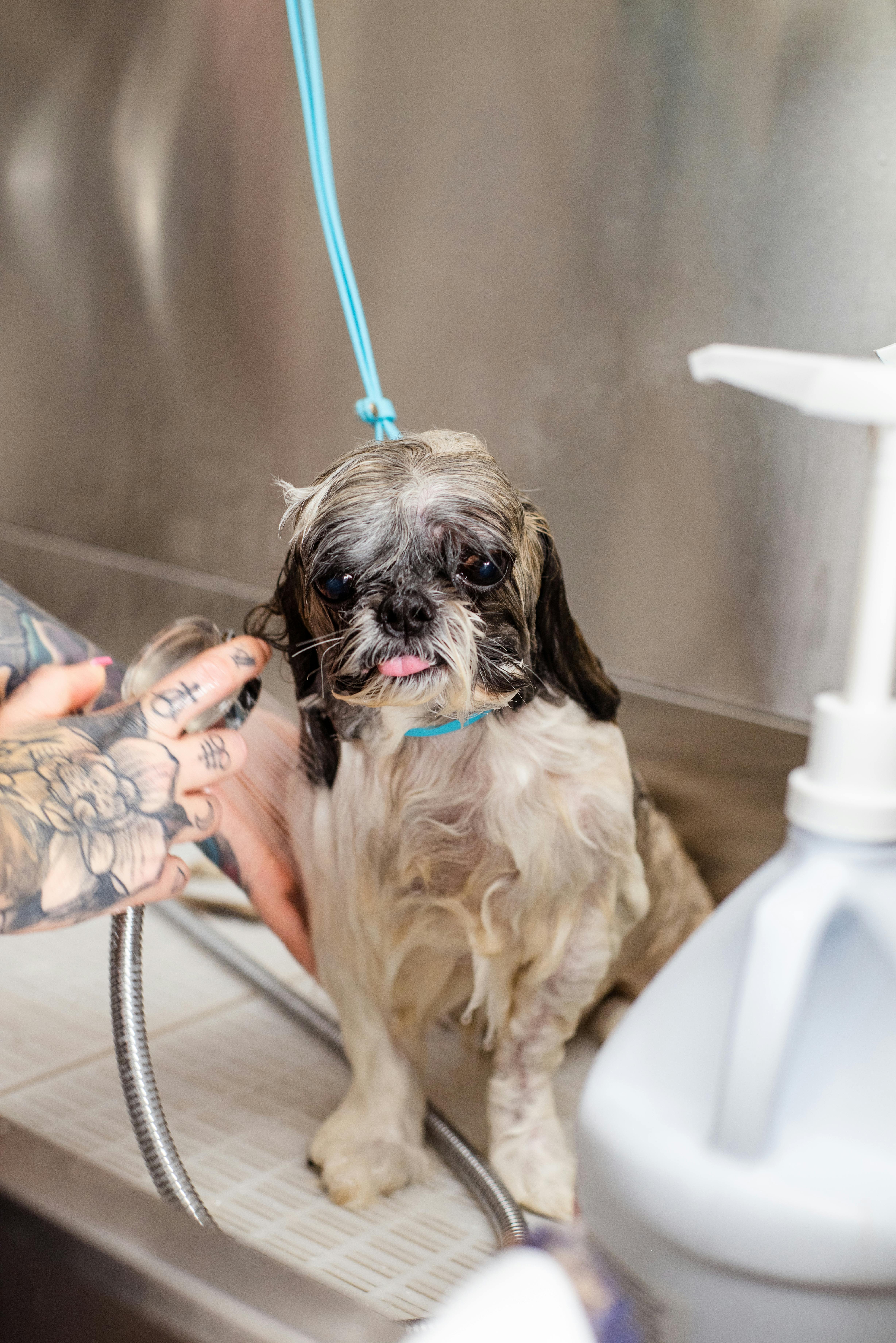
Emma Martinez used to work in human resources for a large corporation. Last year, she decided to leave her job and start her own mobile pet grooming business, called Paws. Rather than renting a space and having a storefront, Emma decided to purchase a van and equip it for grooming. The large van has everything Emma needs, including a drying station, a grooming table, and all the necessary equipment. Emma offers haircuts, nail trimming, and bathing at prices less expensive than traditional dog grooming businesses, because she does not have the same overhead as she would with a traditional storefront.
Her service utilizes a booking app, which allows customers to easily and quickly make appointments. She has a loyal customer base that frequently recommends her services.
Emma is able to groom four pets a day, which averages $100 per appointment for the services.
 Her variable costs include:
- Fuel
- Grooming supplies
- Van maintenance
Her fixed costs include:
- The van loan payment
- Insurance
- Her licensing fees
She believes her business strengths include affordability and customer loyalty, while her weaknesses include increasing competition, high fuel prices, andbecause she runs the business on her ownlimited growth opportunities because she only has one van and must consider traffic and maintenance when scheduling appointments.
-
EXAMPLE
For every 2-hr appointment, Emma needs to book out 3 hr to plan for traffic and other potential challenges.
This means Emma works very long hoursabout 12 hr per day for the four daily appointments and travel times. Emma has attempted to take at least 1 day off a week, but in order to satisfy customers, she really needs to be available every day of the week.
Given these challenges, Emma has considered purchasing a second van and hiring another groomer to expand her business. She feels this will generate more revenue, but she is concerned about managing another person and the challenges it will bring. Also, she finds that she will have plenty of revenue if she books at least four appointments per day, 6 days a week.
Assume you are one of Emmas friends who has just taken a business class and offered to help her with some of the difficulties she is facing. Answer these questions by addressing her problems with the business concepts youve learned about in this course. When addressing these problems, add what Emma might consider as marketing opportunities for the future.
Step 2: Review Tutorials
It is a good idea to review all the course materials before beginning this Touchstone. Reviewing materials can help you be better prepared to answer the case study questions.
Here are some suggested tutorials that will help guide your answers:
Step 3: Write the Touchstone
Answer the following questions in three to six sentences per question using the template provided.
-
download
Use evidence and cite from the tutorials in this course:
- How might the economy and supply and demand impact Emmas business?
- What entrepreneurial risks did Emma take when choosing to start this business?
- What ethical responsibilities should Emma consider in terms of her customers and the animals she grooms?
- How will Emmas management responsibilities change if she hires another person?
- What financial risk should Emma consider before purchasing a second van?
- What are Emmas options in terms of secured and unsecured financing? Which option would be the best, and why?
- When Emma is considering her finances to fund the business, what should she consider as options for short-term financing?
- Who is Emmas target market, and how might she be able to reach them?
- How might Emma use positioning and branding strategies to market her business?
–
You will also use information from Sophia tutorials to substantiate your work. Provide in-text citations for the tutorials. Here is how to format an in-text APA citation for a Sophia tutorial:
(Sophia Learning, n.d.)
Answering these questions will help you see the big picture of business and how different areas of business relate to each other. This is your chance to demonstrate your understanding of business, so have fun with it!
Step 4: Review and Submit Your Work
Review your work carefully and check the rubric to make sure you have met all the requirements. Submit the template in Microsoft Word or PDF.
| Advanced (100%) | Proficient (85%) | Acceptable (65%) | Needs Improvement (35%) | Non-Performance (0%) | |
|---|---|---|---|---|---|
Application of Business Concepts (30%)The submission describes the business environment by applying the foundational concepts described in the tutorials. |
The submission accurately identifies and applies multiple relevant business concepts from the tutorials. Explanations are complete, logically structured, and connected to the case, showing application across more than one concept or framework. | The submission applies relevant business concepts from the tutorials with mostly accurate explanations. The application is clear but may focus on only one concept or lack depth in connections. | The submission mentions business concepts, but the application contains some inaccuracies or explanations are partially developed. Limited connections are made to the case. | The submission shows minimal use of business concepts; explanations are largely inaccurate or incomplete, with little application to the case. | The submission does not demonstrate the use of relevant business concepts or is entirely missing. |
Problem Analysis (30%)The submissionaccurately identifies the key decisions related to marketing, human resources, and investment and supports the analysis with evidence from the tutorials. |
The submission accurately identifies all major business decisions. Each decision is explained with clear underlying factors, and the analysis is fully supported with evidence from tutorials and case materials. | The submission accurately identifies most of the key business decisions. The explanations of underlying factors are mostly accurate and clear, with evidence provided from tutorials and case materials, though some areas may lack detail. | The submission identifies some business decisions but may omit important ones. The explanations of underlying factors are partially developed or incomplete. Evidence is present but may be limited or loosely connected to the analysis. | The submission identifies few business decisions or describes them inaccurately. The explanations of underlying factors are minimal or unclear, and evidence is loosely connected or missing. | The submission fails to identify any key decisions or provide any analysis or is entirely missing. |
Opportunity Analysis (30%)The submissionaccurately identifies the marketing opportunities Emma can consider and supports the analysis with evidence from the tutorials. |
The submission accurately identifies all major marketing opportunities Emma can consider. Each opportunity is clearly explained with underlying factors, and the analysis is fully supported with evidence from tutorials and case materials. | The submission accurately identifies most of the marketing opportunities Emma can consider. The explanations of underlying factors are mostly accurate and clear, with evidence provided from tutorials and case materials, though some areas may lack detail. | The submission identifies some marketing opportunities Emma can consider. The explanations of underlying factors are partially developed or incomplete. Evidence is present but may be limited or loosely connected to the analysis. | The submission identifies few marketing opportunities or describes them inaccurately. The explanations of underlying factors are minimal or unclear, and evidence is weak or missing. | The submission fails to identify any key marketing opportunities Emma can consider or provide any analysis or an analysis that is entirely missing. |
Conventions (10%)The submission follows conventions for standard written English, and sources are included if needed. |
There are almost no errors in grammar, punctuation, spelling, and capitalization; all length and formatting requirements are met. | There are minor errors in grammar, punctuation, spelling, and capitalization that do not impede readability; the length and formatting requirements are nearly met. | There are frequent errors in grammar, punctuation, spelling, and capitalization that somewhat impede readability; the length and formatting requirements are nearly met. | There are consistent errors in grammar, punctuation, spelling, and capitalization that significantly impede readability; the length and formatting requirements are not met. | The submission does not meet the minimum threshold for points to be awarded. |

Get this or a similar paper done in as fast as 4 hours, 24/7.
NB: We do not sell prewritten papers. All essays are written from scratch according to specific needs and instructions
Leave a Reply
You must be logged in to post a comment.